Privacy Application Download For Android
- Privacy Knight App Download For Android
- Privacy App Download For Android
- Privacy Application Download For Android Phone
- Privacy Lock App Download For Android
- Privacy Application Download For Android Download
- Privacy Application Download For Android Pc
Your mobile app (iOS, Android, Windows, BlackBerry) must have a Privacy Policy if the app collects personal data from users.
You’ll need the Privacy Policy even if you do not collect this kind of data yourself but instead use third-party tools (such as Google Analytics Mobile, Flurry) that will collect this data for you.
AndroidAPKsFree is your home to read reviews and download apk of popular free Android Apps and Games across the web like WhatsApp, Facebook Messenger, Clash of Clans, Play Store and much more. All apps download collection APK for android smartphones, tablets and other devices.
Contents
- 2 Privacy Policy for iOS apps
- 3 Privacy Policy for Android apps
- 4 Privacy Policy for Windows Phone apps
- 5 Best practices for mobile app developers
Personal data is any kind of data that could identify an individual:
- Email address
- Device ID
- First and last name
- Billing or shipping information
- And so on
Requirements for mobile apps
A Privacy Policy is required by law in most countries:
- CalOPPA law in the US
- Privacy Act of 1988 in Australia
- And many others
The FTC, in the US, requires all apps that collect and use personal information from users to properly inform about the collection and use of users’ personal information.
The FTC has provided guidance for developers and businesses on what to be aware of to ensure compliance.
The “Executive Summary” of the FTC’s “Mobile Privacy Disclosures: Building Trust Through Transparency” document states that developers of mobile app should have a Privacy Policy in place and make sure it’s easily accessible through app stores.
This requirement applies to all app stores, including iOS and Android:
If you’re submitting the app to an app store and your app collects personal information from users that will be using your app, then you must have a Privacy Policy.
You must make the policy easily accessible through the app profile page of for users to view and read the Privacy Policy before they download and install your app.
Depending on your mobile app and your business, you may be subject to other legal requirements:
- If your app collects personal data from users under the age of 13, you’ll need to comply with COPPA
- If your app collects personal data from minors (under the age of 18), comply with the Content Eraser law.
- If you collect personal data from students, comply with the SOPIPA law
- If you are using remarketing/retargeting tracking code with Google AdWords or AdRoll or any other third-party, you’ll need to update the the Privacy Policy to inform users about this practice.
Privacy Knight App Download For Android
- Click on the “Start the Privacy Policy Generator” button.
- At Step 1, select the Mobile app option and click “Next step”:
- Answer the questions about your mobile app and click “Next step” when finished:
- Answer the questions about your business practices and click “Next step” when finished:
- Enter your email address where you’d like your policy sent, select translation versions and click “Generate My Privacy Policy.” You’ll be able to instantly access and download your new Privacy Policy:
Privacy Policy for iOS apps
Your iOS app (developed for iPhone or iPad) is required to have a Privacy Policy if you access, collect and transmit personal information from users. This requirement is enforced by Apple for all iOS apps operating in the App Store.
Requirements from Apple App Store
“Apple’s App Store Review Guidelines” states that apps that collect user data must get consent for the collection.
It also states that all apps must include a link to their Privacy Policy in the App Store Connect metadata field and within the app.
The “Review Guidelines” is a summary version based on their “Program License Agreement (PLA)” and other legal documents that iOS developers must read and agree to in order to have their apps published on Apple App Store.
Based on these documents, iOS developers should consider the following:
- Have the Privacy Policy available on the profile page of your app. This is how users are able to read about your privacy practices before downloading the app.
- Have the policy within the app, either with a direct link to a URL from your website or embedded in the app. Users must be able to easily find and read any legal agreements they are subject to.
- Your Privacy Policy must inform what type of personal information you collect from users, how you are using that information, for what purposes you are using the information and if you share that information with any third parties.
You may be subject to more requirements related to user data if:
- You’re planning to use HealthKit
- You’re planning to use HomeKit
- You’re working with third party keyboards
- You’re integrating Apple Pay
How to add Privacy Policy URL for iOS app
Follow these steps to add the URL of your Privacy Policy for your iOS app:
- Open iTunes Connect
- Go to App Details
- From the Versions tab, select the version of your app which as the Ready for Sale status
- Edit the “Privacy Policy URL” field
- Click Save
Following the above steps would meet Apple’s requirement of getting the Privacy Policy URL on the app’s profile page:
Your iOS app may get rejected if you don’t add the URL to your Privacy Policy when you submit the app for review. This rejection message happens if you don’t have a URL to your Privacy Policy:
Apps should have all included URLs fully functional when you submit it for review, such as support and privacy policy URLs.
You must host the Privacy Policy on your own website. Apple isn’t providing any hosting solutions for iOS developers to host the legal page.
Even if your website is merely a placeholder website, where users can only read intros about your app, host the policy on your website and make the URL available to users who just happen to browse your website.
The most common way to do this is to place the URL in the footer of your website:
The same URL from the footer of your website is the URL you need to add when submitting your app to Apple App Store.
Examples of Privacy Policies from iOS apps
Here are some examples of popular iOS apps and how they integrated their Privacy Policies in the app.
Slack
The Privacy Policy of Slack is placed in their iOS app at the Settings screen:
Thir policy is available on their website as well:
It’s also available on the Apple App Store profile page. The URL links directly to the same page as above:
However, Slack’s Privacy Policy is not available on their desktop app. Below is a screenshot of Slack’s Mac OS X app:
Slack’s legal pages has all the information for users to learn about Slack’s privacy practices:
- Slack’s Terms of Service agreement
- Slack’s Privacy Policy agreement
- Slack’s Legal Archives. This is useful for users to learn how Slack’s legal agreements changed over time.
Dropbox
Dropbox’s iOS app embeds its legal agreements (both Dropbox’s Terms of Service page and Dropbox’s Privacy Policy page) rather than force opening the user’s mobile browser to read the agreement:
The same legal agreements are available on Dropbox’s official website:
Booking.com
Booking.com’s iOS app simply adds the links to its legal agreements (its Terms and Conditions page and its Privacy Statement page) at the “Information” screen in the app:
When a user taps on any of those links the Booking.com app force opens the mobile browser to open the legal agreement requested by the user.
Mint
Another example shows how the Mint’s iOS app is letting users read the Privacy Policy of Mint.com before downloading the app and signing up for an account:
Including the link to your Privacy Policy on the App Store’s profile page is a great way to keep users informed how your app may use personal information (including sensitive information such as with Mint’s financial data).
Another example from Pinterest’s iOS app shows how Pinterest handles their Privacy Policy page that is also linked from their app’s profile page on App Store:
- A user who might want to download the app clicks on the “Privacy Policy” link from within the App Store’s profile page
- That link opens the Privacy Policy of Pinterest
The user can then choose to either go “Back to App Store” (added in iOS 9) or click on the “Get the App” button that’s been added on the web page
This is how it looks:
This makes it easy for a user to learn how the personal information will be used by Pinterest before downloading the app. The “Get the App” button added to the legal page makes it easy for a user to download the mobile app once the contents of the policy are reviewed.
Amazon Kindle
Another example is from the login and sign-up screens of Amazon’s Kindle iOS app.
Kindle app can be downloaded from the App Store, but before the app can be opened and used (i.e. to read e-books) the user must register an account with Amazon.
By placing a link to the Privacy Policy agreement of Amazon on this screen, Amazon has a good case to prove that the user knew of these two legal agreements and agreed to adhere to the agreements before continuing to login or signing-up for a new account:
If you place the link to your Privacy Policy within the app and only make it available for the user after the user signed up it will be harder to prove – if necessary – that the user actually agreed to be bound by your legal terms upon signing up for a new account.
Privacy Policy for Android apps
The law also requires you to have a Privacy Policy for your Android app. It’s not just iOS.
Requirements from Google Play Store
According to its Help pages, Google Play isn’t making it a requirement to have a Privacy Policy for your Android app or game. Note the “may submit” word in the paragraph below:
Privacy App Download For Android
As an Android developer, you may submit a privacy policy for each of your apps. When users browse your app in Google Play, they will be able to review the privacy policy before downloading your app.
How to add Privacy Policy URL for Windows Phone
Follow these steps to add the Privacy Policy URL for the profile page of your Windows Phone app. You need to host the agreement on your own website and make the URL public for all users:
- Log into the Windows Phone Dev Center account
- Click Submit App
- Click Review and submit
At the Privacy Policy URL field include the URL to the agreement hosted on your website. The full URL length must be less than 2048 characters.Do not include the URL in the description area of your app. Links in the description area aren’t clickable.
Additional license terms is the field where you could host your Terms and Conditions agreement or the EUKA agreement of the mobile app. It’s not the field for the Privacy Policy agreement.
This is how the URL will appear on the profile page of Windows Phone Store:
Examples of Privacy Policies from Windows Phone apps
Here are some of the most popular apps on Windows Phone Store and how they implement their own Privacy Policies:
Dropbox
When you install the Dropbox app on your phone, Windows already informs you that by installing Dropbox you’re subject to specific Terms of Use and other terms:
If you go to the Details section before you install or after you’ve installed Dropbox on the Windows Phone, you’ll see two links: License Terms (this is usually the Terms of Service of each app) and Privacy Policy:
After the app is installed, these legal agreements are available from the Settings menu at the About screen:
When you go to the About screen you’ll see the links to Dropbox’s Terms of Service page and the Privacy Policy page:
Dropbox doesn’t embed these legal agreements like it does on the iOS platform, but instead force opens Internet Explorer for the user to read the agreement:
Twitter’s Windows Phone app does the same thing, it opens the link to its legal agreements in the mobile browser:
Links to its legal agreements, including its Terms of Service page and its Privacy Policy page) are available when a user signs up for a new account through the app:
The links are also available on the Settings screen, under the Information section:
However, the URL of Twitter’s Privacy Policy isn’t available on their Windows Phone profile page:
Skype
Skype Windows app provides the links to the Privacy Policy of Skype at the “Legal Notices” section of the “Settings” menu:
The Windows version of WhatsApp app does a great job of alerting users of the Terms of Service of WhatsApp by placing a link to this agreement on the initial screen that users see after downloading the app.
This “Welcome” screen provides a direct link to WhatsApp’s legal agreement, and in order to proceed further into the app from this screen, a user must click the “Agree and Continue” button:
Note how the text of WhatsApp’s agreement is conveniently sized and structured for being read and accessed on a mobile device. The design of the top menu allows for continual and quick access to the “Terms of Service” and “Privacy Notice” of WhatsApp:
Google Search
The Google Search app for Windows Phones uses a very prominent menu in the app to provide users with access to the legal policies of Google, including Google’s Privacy Policy.
At the “About” section in the app, Google Search provides a direct link to the “Privacy & Terms” page of Google. When a user taps this link, the mobile phone’s web browser automatically opens and displays another screen where the legal agreements are linked from:
Note how clearly and prominently the link for the “Privacy & Terms” item is:
The legal agreements are broken down and linked separately. This makes accessing these documents much easier for mobile users:
Best practices for mobile app developers
It’s a good idea to have a Privacy Policy even if you don’t collect any kind of data from users.
Adding this legal agreement in your mobile app, regardless if it’s developed for iOS, Android, Windows or any other platform, can be done in multiple ways:
- As direct link pointing a page hosted your website or directly embedded in the app
- On the profile page of your app in the app store
- On your official website
Direct link to a URL
If you choose to direct link to your Privacy Policy from the mobile app, design the interface of your app in such way that users are always aware of the existence of the Privacy Policy and can easily find it.
Include a direct link to the Privacy Policy in the “Settings” or “Configuration” menu of your app. This is the menu where a user is most likely to open it in order to edit the app, edit various configurations, edit the account, and so on.
Here’s where the YouTube app from Google places the link to its agreement (this links to the Privacy Policy of Google):
500px.com, however, places the links to its legal agreements (its Privacy Policy page and its Terms of Service page), in the About screen from the General field:
Booking.com iOS app is opting for something similar: the links to its legal agreements – its Terms & Conditions and its Privacy Statement – are available by clicking the slide icon and then clicking on the Information item:
The downside of using this method (direct link to the page hosted on your website) is that the user is being forced to open the device’s mobile browser to read the agreement.
The embedded is better:
- The user is not being forced to open the device’s mobile browser to read the Privacy Policy
- Whenever you update the Privacy Policy, you do so on your website and your mobile app (regardless of the version used) always has access to the latest available version from your website
Embedded
Implementing the embedded method to integrate the Privacy Policy in your app is similar to the direct link method with an exception: the user can read the agreement right from within the app rather than force opening the device’s mobile browser to read it.
It’s not recommended to embed the agreement in an offline mode (the entire agreement’s text to be stored locally in the app).
Make sure you always show the latest and updated version of the Privacy Policy to users. By embedding the policy in your app you’re making sure that the latest version of the legal agreement is available to your users.
If the mobile app is part of just one platform that your businesses has, a single, unified Privacy Policy is the best option.
Here’s how Evernote iOS app embeds its Privacy Policy. To reach the agreements from its iOS mobile app, the user must follow these steps:
- Clicks on the Settings icon
- Clicks Legal
- Clicks which agreement to read
- Evernote embeds the agreement directly on the iOS app:
This kind of design is also implemented by eBay on their iOS app:
- User clicks on the Settings icon
- Clicks on Privacy
- The user is shown eBay’s summarized Privacy Policy which is embedded from eBay’s servers:
Dropbox does the same:
- The user clicks on the Settings icon
- Clicks on Legal & Privacy
- Dropbox’s Privacy Policy page or its Terms of Service page are embedded from Dropbox’s servers.
On your website
Before the app is launched and available on the app store, make sure the URL to the agreement is working.
If your business also has a website where users can create accounts, you need to place a link to the Privacy Policy agreement on the website as well. Most will usually place this at the footer section:
Even if your website is a placeholder website, where users can only read information about your business and nothing more, it still a best practice to have a link to the policy in the footer of your web pages:
When it comes to implementing Privacy Policies for mobile apps, it’s a good idea to follow the current industry best practices:
- Make sure you have your website ready and a link in the footer links to your legal agreements, such as a Terms and Conditions or Privacy Policy.This is optional, but highly recommended. Users would be able to read about the privacy practices of your app before they download your app.
- Make sure the URL of your Privacy Policy appears on the profile page of your app in the app store. Follow the instructions to add the URL before you submit the app.
Make sure that design of your legal pages is responsive. Users downloading iOS apps are mobile users and your legal agreements must be easy to read on mobile devices.For example, eBay doesn’t show their full Privacy Policy from their iOS app, but instead shows a summary of its agreement in a document named Mobile Privacy and Legal Notice.
This allows eBay to implement a better user experience for mobile users by summarizing the agreement for its users:
Make sure the policy appears in your app and on the app store’s profile page as well. This means adding a direct link to your policy or by directly embedding the Privacy Policy like eBay does with its “Mobile Privacy and Legal Notice” agreement:
You can also direct link to the policy like YouTube’s iOS app does:
The link force opens the mobile browser to open the Privacy Policy of Google.
This article is not a substitute for professional legal advice. This article does not create an attorney-client relationship, nor is it a solicitation to offer legal advice.
Every Android user has stored some important and secret files or media on their devices. They have stored such kind of files for one or more purposes. Sometimes it is necessary to hide some important files from others. And that’s why nowadays all the devices coming with some features by which you can hide such files using lock screen apps.
Those features allow you to hide files or media from the person who is sometimes using your phone. More than that, some sources also offer you some hide apps for Android devices. Here, we are also discussing best App Hider for Android Apps.
These apps allow you to hide everything including the app, images, videos, contacts, documents, and more. So, now take a look at the discussion and keep hiding your files from the untrustworthy persons.
Best App Hider for Android
We have listed best app to hide apps on your Android smartphone in this article. You don’t need any launchers to hide apps on your device. Check out below listicle to find out the best application hider for Android smartphones and tablet devices.
Hide It Pro App
The Hide It Pro app is also known as the Audio Manager app. This app hiding application is readily available at the Google Play Store to download and install on your phone. After installing this app on your phone, it will ask you to set up the protection while opening this app.
Here, you are free to set up the security either with the PIN or the Password. After setting up the protection, now you can get this app on the device.
Now, to hide any files or data, just open the file on the Android mobile. Then, go to the Share options, which shows you all the available sharing option. In which select the option of Audio Manager. Then, on the next display, the app prompts you to where you want to hide this file.
Choose the appropriate location to cover up the file in the Audio Manager app. Once the data comes in this app, then it will automatically be hidden from the app drawer. This Hide It Pro or Audio Manager app has received 4.4-star rating out of 5 stars.
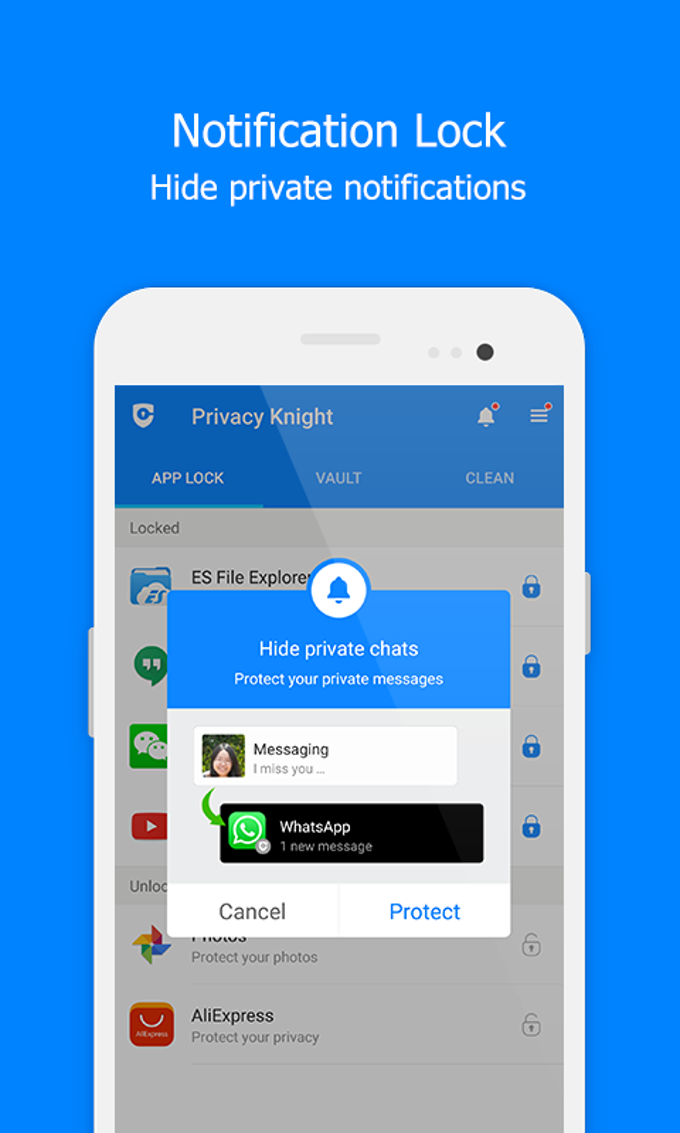
With the help of this app, you are free to hide all the sensitive files of your device. Like images, videos, messages, call logs, documents, music and more.
It also allows you to hide the apps from others, but for that, the Root access is a must. If you do not have an idea that what is root access, then do not try to hide apps using this app. Because, due to that, there may some problems occur in the device.
Features of the Hide It Pro or Audio Manager App:
- Secure Protection to get access to the Hidden content
- Hide images, videos, messages, call logs, documents, music and more
- Root access needed to hide the apps in this app
- Content automatically removed from its previous location after hiding in this app
App Hider
The App Hider is one of the best apps to hide sensitive apps on your smartphones or tablet device. The interesting thing about this app is that it is a launcher which will help you to hide the apps. After hiding any of the apps, the app icon also disappears from the launcher. You can hide all the apps that you don’t want to show to others.
From the Play Store, you can readily download this application. It is available there with the user’s ratings around of 3.0 out of 5.0. To download this app, you don’t need to pay, because it is a free app.
After installing the app, it shows you all the installed apps in the list. In front of all the apps, there is one box is given to you. Now, you can tap on that box to hide the separate apps using this App Hider. You can use this app on your mobile without having any root access.
To run this app on the phone, the Android OS must be running on more than 4.1 and more. As we also discussed ago that this app works as a Launcher. Default PIN in this app will be 0000. However, you can change it later whenever needed after configuring this.
Then AnyDesk Software GmbH was founded in 2014 in Germany. Then in case of User are used the same network and direct connection End-to-End Encryption is available. Anydesk Remote Desktop Tool Give Best Security TLS / AES to encrypt connections. Any desk is a very easy user-friendly application. 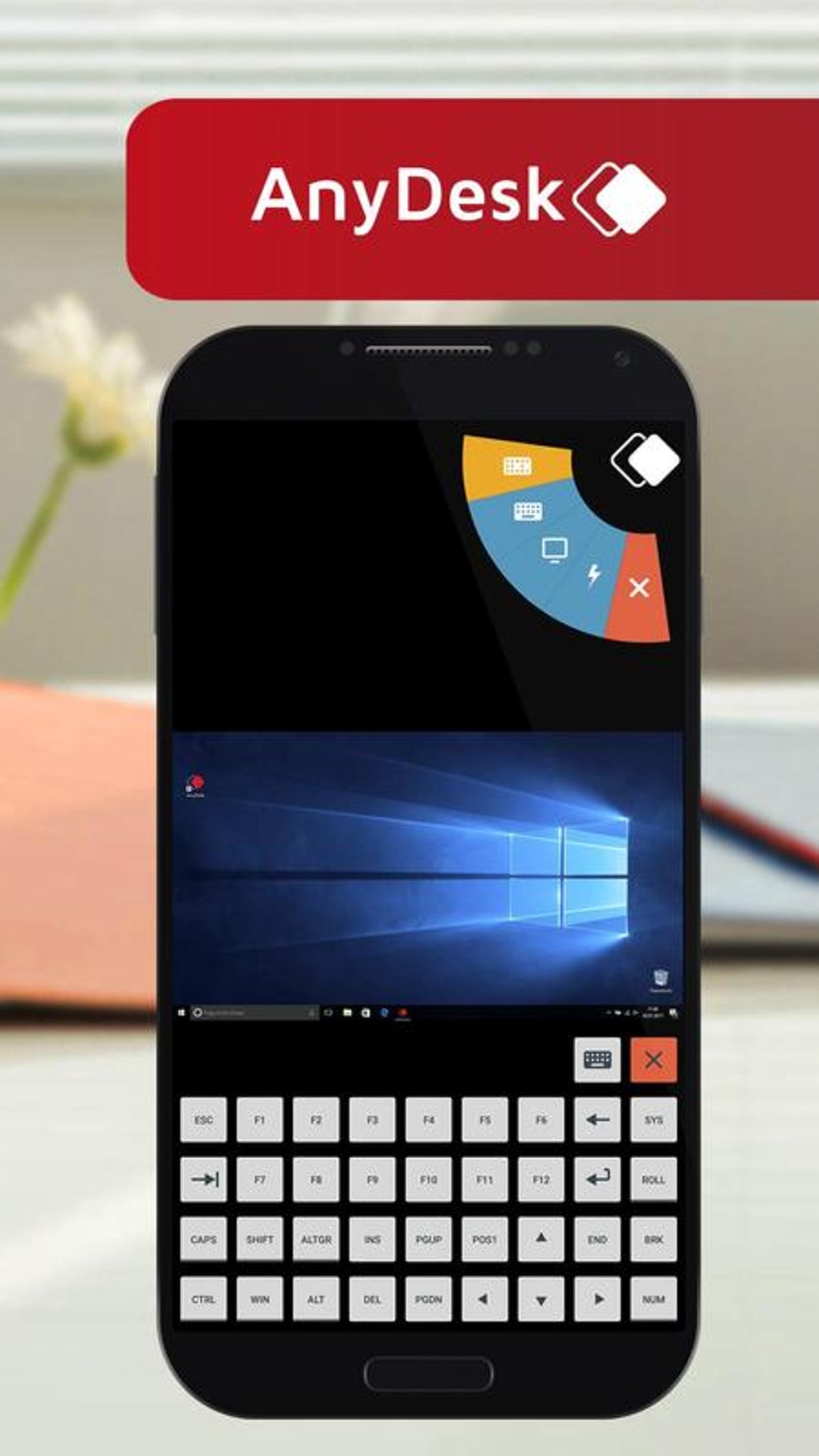.jpg "Download anydesk app for android") Now, this application lot features available for example.
Now, this application lot features available for example.
Features of the App Hider Application:
- Works as one type of Launcher which also hides the apps
- To hide app using this app, just tick the box
- Does not need the Root access
Hide App Application
The Hide App application allows you to hide the app icon on your smartphone. Any of the Android users can download this app from the Google Play Store. It is freely available there to download. It comes with such high compatibility with all of your Android phones. The Hide app has good users rating which is around 3.9 out of 5.0. But, to use this app on your smartphone, your device must have the root access. This app will not work on non-rooted smartphones.
After downloading this app, it prompts you to check that the device has root access or not. The prompts come with a message as Check ROOT Available. If you know about the rooting of the device, then allow it to whatever they want to do. If you don’t, then not. The icon of the app will disappear from the launcher, after hiding it using this app. The app comes with a simple user interface and easy to use.
To protect the hiding content safely, it also offers you PIN Lock. This app also supports Auto Backup and Restore. By mistakenly, if this app is uninstalled by you, at that time this feature will help you.
It will automatically backup and restore all the hiding apps with the reinstallation of the app on the phone. By using this app, you will be able to hide more than one apps at a time.
Features of the Hide App Application:
- It will help you to hide up the app icon from the Launcher
- Comes with the high compatibility
- Root access must be needed
- Protect the hiding content from the untrustworthy using the PIN lock
- Supports Auto Backup and Restore feature
- Hide more than one apps at a time on the mobile
DU Privacy Vault App
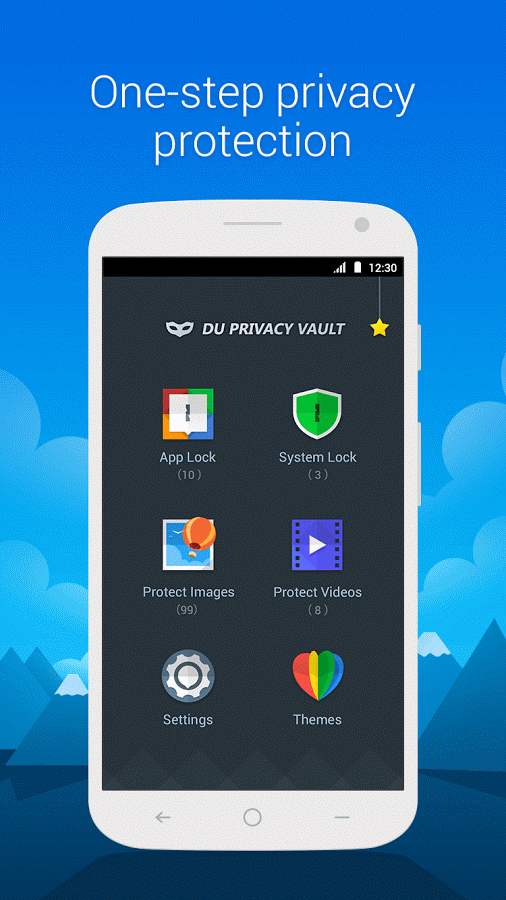
The DU Privacy Vault is another hiding app for Android devices. This app comes with lots of features by which you can protect even a small document. By using this app, you can lock or hide your separate apps from others.
By going into the App Lock feature option, you can do it. Also of that, it also permits you to hide the image files, video files and more. For more security, you can also lock all the files with the password. The app can easily encrypt and hide all the videos of social networking sites.
The DU Privacy app also allows you to change the Password. It has two options to set the password, one is Pattern Lock, and another is Passcode Lock. If you want to hide the calls, then this app will also help you a lot. To do so, just add the number that you want to hide, and you are done. It also gives you three options to do so. You can add the number from the call log, from the Contacts, and by manually.
This app also has Break-in Alert feature. This feature will help you when the lock attempts failed by the unknown person. It will automatically capture the photo of that person.
You can check it after, by going into Break-in alert option. This app will provide the perfect protection security to all of your apps and files as well. To download this app, just visit the Play Store. You can download this app free of cost at there.
Features of the DU Privacy Vault App:
- App Lock feature allows you to lock and hide the app
- Hide Image Files, Video Files, Phone Calls and more
- Has Break-in Alert feature to protect the device from the strangers
- Set password either in the form of Pattern or Passcode
App Icon Hider Application
As the name suggests, the App Icon Hider will hide the apps from the menu of the smartphone. This app is readily available at the Play Store. It is easily compatible with all the Android smartphone as well as tablets. You will be able to download and install this app free of cost. By using this app, you can hide some basic apps from strangers and bad friends. Like Gallery, Facebook, Messages, Whatsapp, File Manager, Gmail, Hike, MX Player and more.
To use this app, your smartphone must be running on Android OS 4.0 or more than it. This app protecting application will not take more space on your device because it comes with lesser size. To hide the app, just tick the icon of the app. After that, it is going to hide. To unhide the hidden apps, once again just tick the icon, and it is done. There is no need for root access to use this app on your smartphone.
This app has a simple and attractive user interface. By using this app, you can uninstall the apps by just long press on the icon. All the hidden apps are protected by the password. It also permits you to change the old password by entering the new one.
Features of the App Icon Hider Application:
- High compatibility with all the Android smart devices
- Hide necessary apps from the strangers like Gallery, Facebook, Messages, Whatsapp, File Manager, Gmail
- Hide and Unhide the apps by just ticking on it
- Comes with simple User Interface
- Allows you to change the Pattern password to make the password more secure
Hide App
The Hide App is an application which can not hide any apps on the launcher of the mobile. Even after this, the Hide App will be one of the best useful apps for you. This app will help you to hide the apps from the list of recently opened apps.
To use this app on your Android device, you do not need the root access. It will work superbly on your mobile without any permissions.
We know that, after opening any apps from the phone, it shows you in the recently opened apps list. But, if you do not want to see that to others, then use this Hide app.
It will help you a lot to do so. However, some Google apps will not work properly using this hide application. Like Google, Gmail, Google Maps, and more.
By using this app, you can also change the text color, text background color, and icon background color. Also of that, you can also share this app using the various sources of Social Media.
Any of the Android users can easily find this app on the Google Play Store. This app is easily compatible with all the Android devices.
Privacy Application Download For Android Phone
Features of the Hide App:
Privacy Lock App Download For Android
- No need for Root Access
- No need of Permissions to work
- Hide the apps from the list of the recently opened apps securely and safely
- Allows you to change the color of the text as well as background
- Easy sharing option to share the app with someone using Social Networking Sites and other sources
We hope you liked this recommendation, please let us know if you are already using any of the apps or we have missed any app on this list. Share your views in the comment section below.
Privacy Application Download For Android Download
Contents
Privacy Application Download For Android Pc
- 1 Best App Hider for Android